STRUCTURING INVESTMENT ACROSS THE WATER–FOOD–ENERGY NEXUS
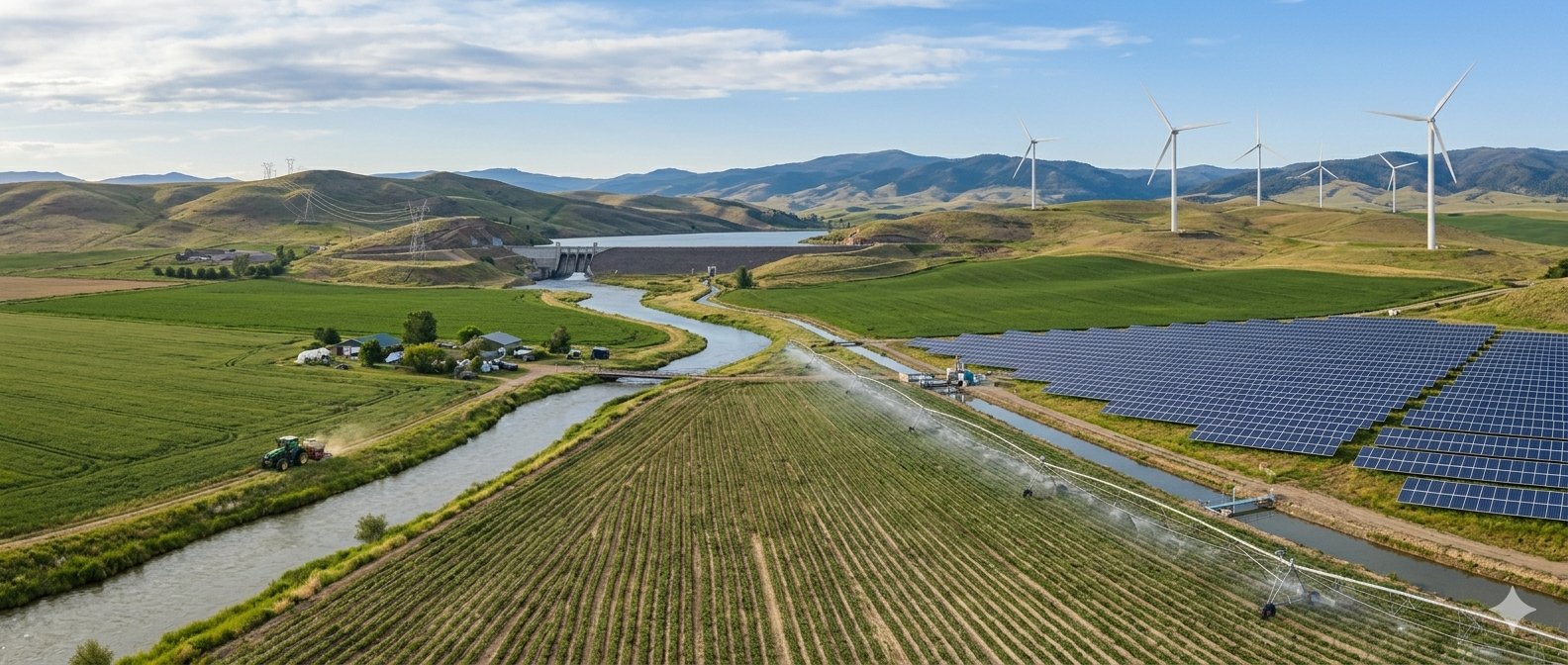
In Morocco and West Africa, agriculture accounts for up to 15–20% of GDP in certain economies and employs a substantial share of the workforce, while water scarcity ranks among the most critical structural risks. Energy demand continues to rise, driven by demographic growth and industrial expansion. These systems are deeply interdependent: water powers agriculture and energy production, energy enables irrigation and food processing, and food systems depend on both.
Synapsium serves as advisor to several international investment funds active in this nexus, supporting capital deployment across complex resource-linked sectors. Our involvement begins with opportunity identification, where we assess market demand, regulatory stability, climate exposure, and infrastructure gaps. We build financial models that integrate resource efficiency metrics alongside traditional return indicators, ensuring that investment theses are both profitable and resilient.
During transaction phases, we conduct technical due diligence, structure partnerships with local operators, and align projects with ESG and impact frameworks increasingly required by global investors. Post-investment, we accompany portfolio companies in performance monitoring, governance optimization, and scaling strategies across regional markets.
The financial stakes are substantial. Climate-resilient agriculture, renewable energy integration, and water infrastructure modernization represent multi-billion-dollar investment opportunities across North and West Africa over the coming decade. By structuring investments that improve irrigation efficiency, expand renewable energy integration, or modernize agri-processing value chains, the impact extends beyond returns, it strengthens food security, reduces resource stress, and enhances regional economic stability.
This is where Synapsium’s integrated expertise becomes decisive. We understand finance and banking dynamics, regulatory frameworks, agricultural systems, water constraints, and energy transitions. By bridging these domains, we transform interconnected risks into structured opportunities.